


Snapshot generated Mar 29, 2026, 12:20 AM
Snapshot gallery image 1Snapshot gallery image 2Snapshot gallery image 3Snapshot gallery image 4

Science headlines for Saturday, March 28, 2026

Summary of this day news

Science headlines for 2026-03-28 focused on 3 major developments:

Simpson (NYT Science)

  • 1) Astronaut’s Condition That Led to Space Station Evacuation Remains a Mystery (NYT Science)
  • 2) Henry C.

Lee Dies at 87; Forensic Scientist Testified in Defense of O.J.

Judith L.

Rapoport, Pioneer in Understanding O.C.D., Dies at 92 (NYT Science) Across these stories, coverage emphasized high-impact updates, policy shifts, and events with broad audience relevance.

Together they provide a representative view of the day in science news before diving into each full report.

Why it matters: This snapshot shows where science attention concentrated on 2026-03-28, highlighting the themes, entities, and geographies that dominated publisher coverage. Because ranking blends freshness, engagement, and source diversity, it helps separate signal from noise. Use it as a quick daily briefing and then open the top stories for fuller context.

Key Points

3 highlights
  1. Astronaut’s Condition That Led to Space Station Evacuation Remains a Mystery

    Sources: #1 NYT Science
  2. Henry C. Lee Dies at 87; Forensic Scientist Testified in Defense of O.J. Simpson

    Sources: #2 NYT Science
  3. Dr. Judith L. Rapoport, Pioneer in Understanding O.C.D., Dies at 92

    Sources: #3 NYT Science

Top 8 Stories

Ranked by daily score
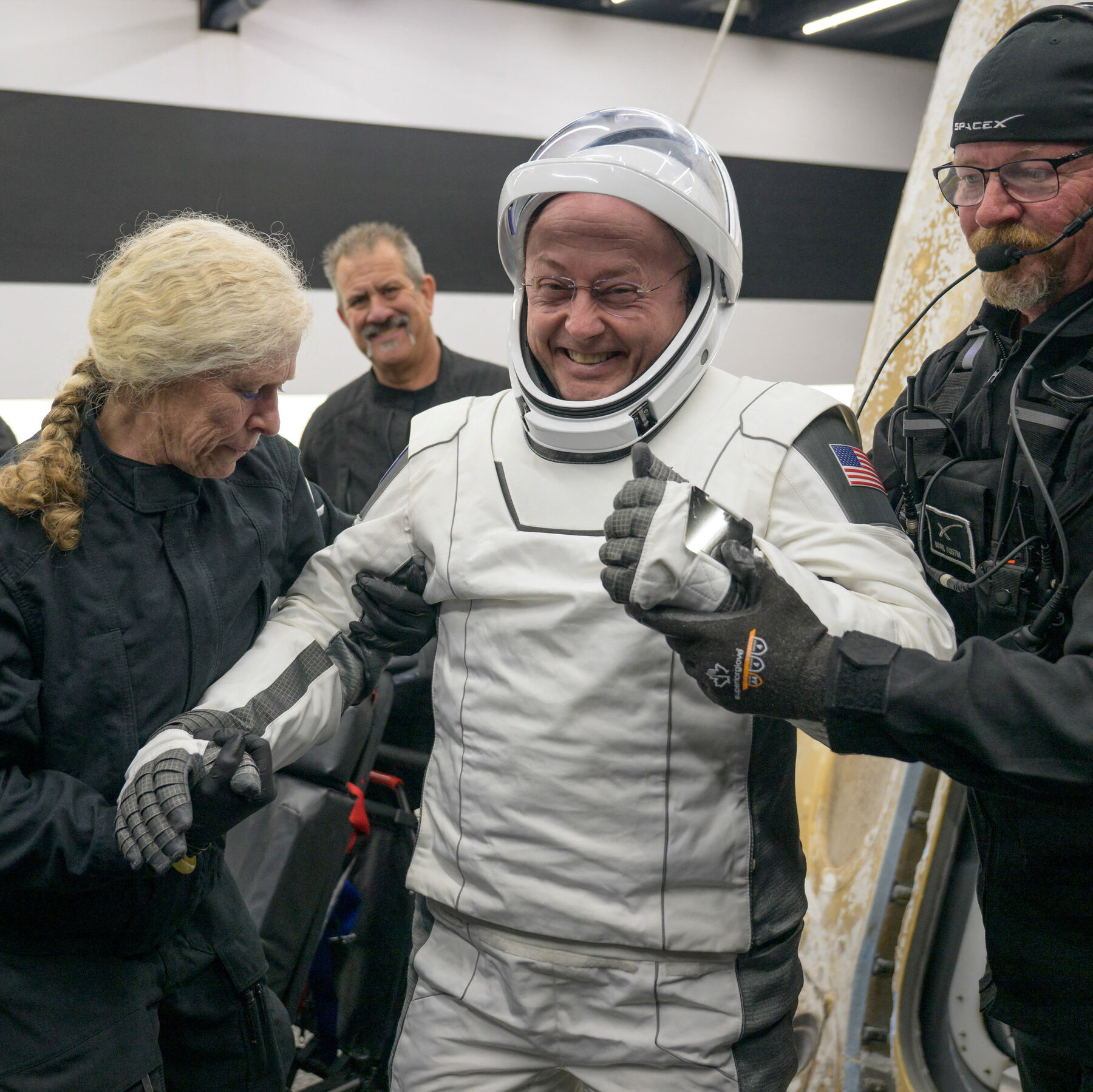
  1. Astronaut’s Condition That Led to Space Station Evacuation Remains a Mystery
    #1 Score 66
    Astronaut’s Condition That Led to Space Station Evacuation Remains a Mystery

    The astronaut, Michael Fincke, experienced a medical emergency in January that rendered him unable to speak, he said.

    NYT Science 121 days ago
  2. Henry C. Lee Dies at 87; Forensic Scientist Testified in Defense of O.J. Simpson
    #2 Score 63
    Henry C. Lee Dies at 87; Forensic Scientist Testified in Defense of O.J. Simpson

    The Times called him “the world’s most highly regarded forensic criminologist,” but later in his career he faced accusations that he had hidden and fabricated evidence.

    NYT Science 121 days ago
  3. #3 Score 59
    Dr. Judith L. Rapoport, Pioneer in Understanding O.C.D., Dies at 92

    Her best-selling 1989 book, “The Boy Who Couldn’t Stop Washing,” based on her groundbreaking research, brought public awareness to obsessive-compulsive disorder.

    NYT Science 121 days ago
  4. He Helped Write the Clean Air Act. He Fears for Its Future.
    #4 Score 40
    He Helped Write the Clean Air Act. He Fears for Its Future.

    Thomas Jorling, adviser to Republicans who cosponsored the 1970 law, disputes the Trump administration’s claim that it shouldn’t apply to planet-warming greenhouse gases.

    NYT Science 121 days ago
  5. After 20 years, scientists finally explain the Crab Pulsar’s strange “zebra stripes”
    #5 Score 33
    After 20 years, scientists finally explain the Crab Pulsar’s strange “zebra stripes”

    For decades, astronomers have been puzzled by strange “zebra stripe” patterns in radio waves from the Crab Pulsar — bright bands separated by complete darkness. Now, new research suggests the answer lies in a cosmic tug-of-war between gravity and plasma. The pulsar’s plasma spreads light apart, while gravity bends it back together, creating interference patterns that form the striking stripes.

    ScienceDaily 121 days ago
  6. Clean Energy Companies Are Trying to Survive the Trump Era
    #6 Score 27
    Clean Energy Companies Are Trying to Survive the Trump Era

    Offshore wind is out. Geothermal power is in. And many climate technology start-ups are looking for ways to carry on without federal backing.

    NYT Science 121 days ago
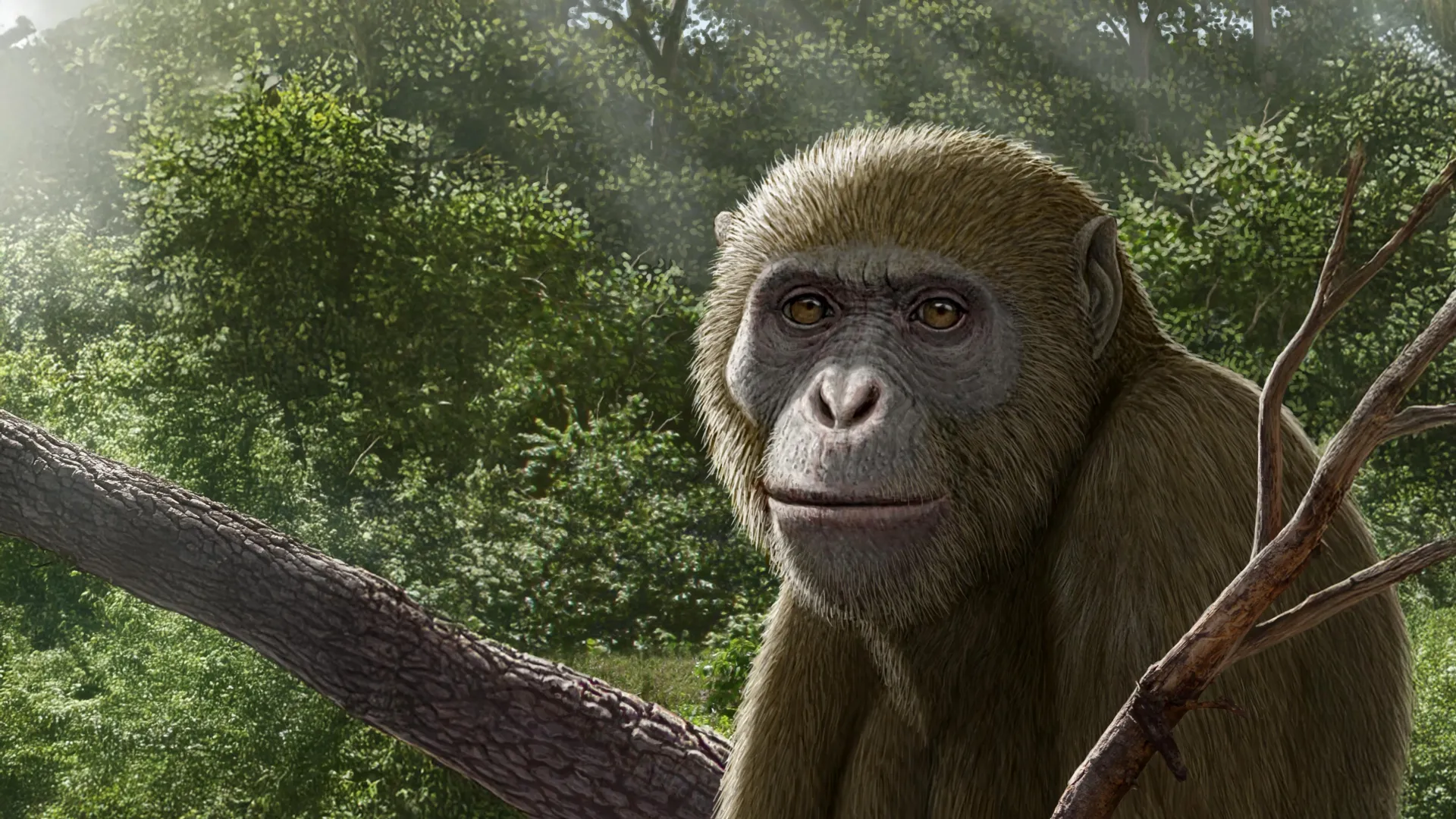
  7. Scientists say we’ve been looking in the wrong place for human origins
    #7 Score 9
    Scientists say we’ve been looking in the wrong place for human origins

    A fossil ape discovered in northern Egypt is reshaping the story of human evolution. The species, Masripithecus, lived about 17 to 18 million years ago and may sit very close to the ancestor of all modern apes. This finding challenges the long-standing focus on East Africa. Instead, it points to northern Africa and nearby regions as a possible birthplace of apes.

    ScienceDaily 121 days ago
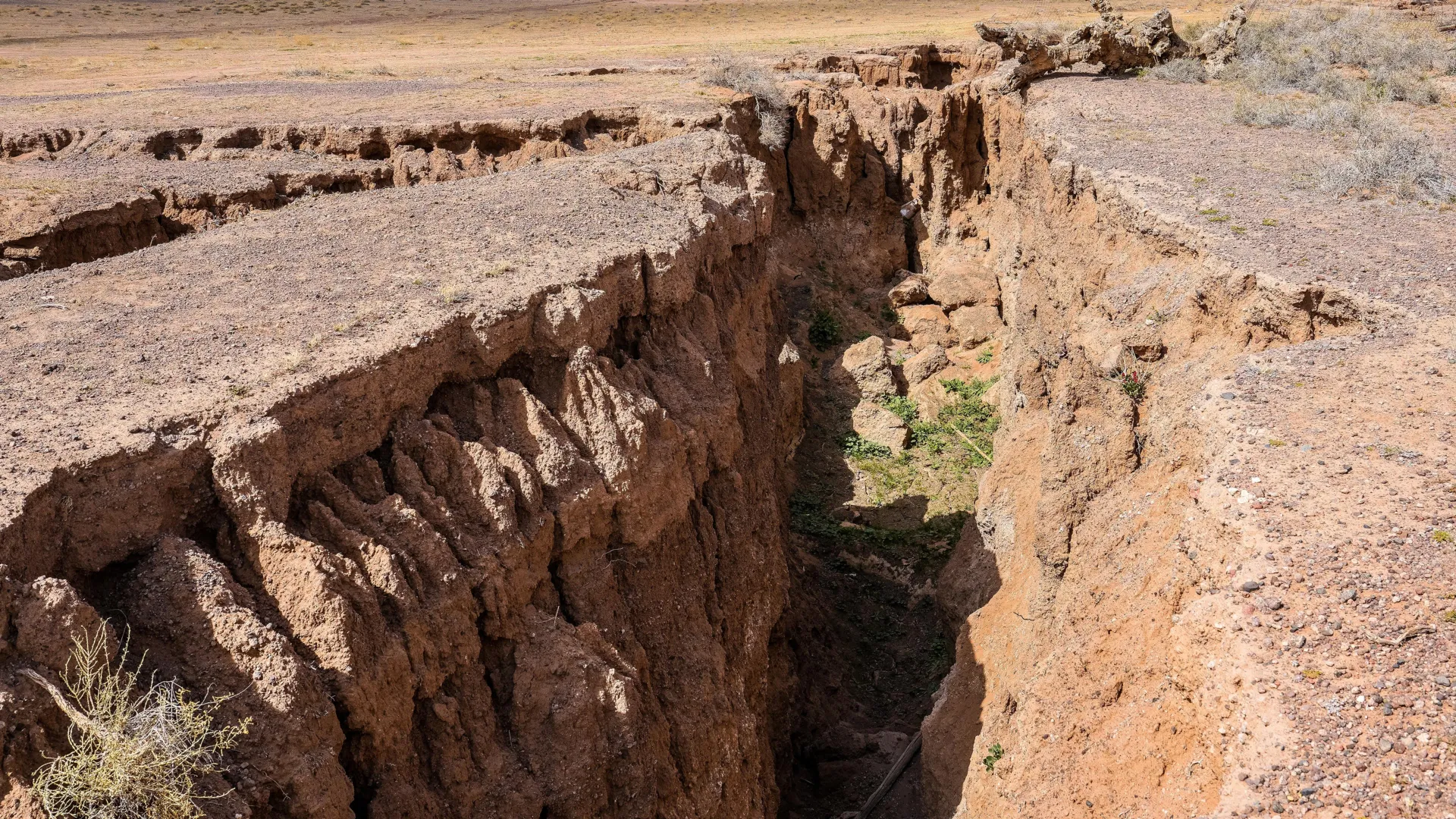
  8. Watch the Earth split in real time: Stunning footage captures a 2.5-meter fault slip in seconds
    #8 Score 4
    Watch the Earth split in real time: Stunning footage captures a 2.5-meter fault slip in seconds

    A massive 7.7 magnitude earthquake struck Myanmar in March 2025, but what makes this event extraordinary is what happened next. For the first time, a nearby CCTV camera captured the fault rupture in real time, giving scientists a rare, direct look at how the Earth moves during a major quake. Researchers discovered that the ground shifted 2.5 meters in just 1.3 seconds, confirming a rapid, pulse-like rupture and re...

    ScienceDaily 121 days ago

Comments (0)

Join the conversation. Comments are rate-limited, secured, and GDPR-compliant.

No comments yet. Be the first to share your thoughts!

Write a comment

0 / 500