Snapshot generated Apr 26, 2026, 12:20 AM
Snapshot gallery image 1Snapshot gallery image 2Snapshot gallery image 3Snapshot gallery image 4

Science headlines for Saturday, April 25, 2026

Summary of this day news

Science headlines for 2026-04-25 focused on 3 major developments:

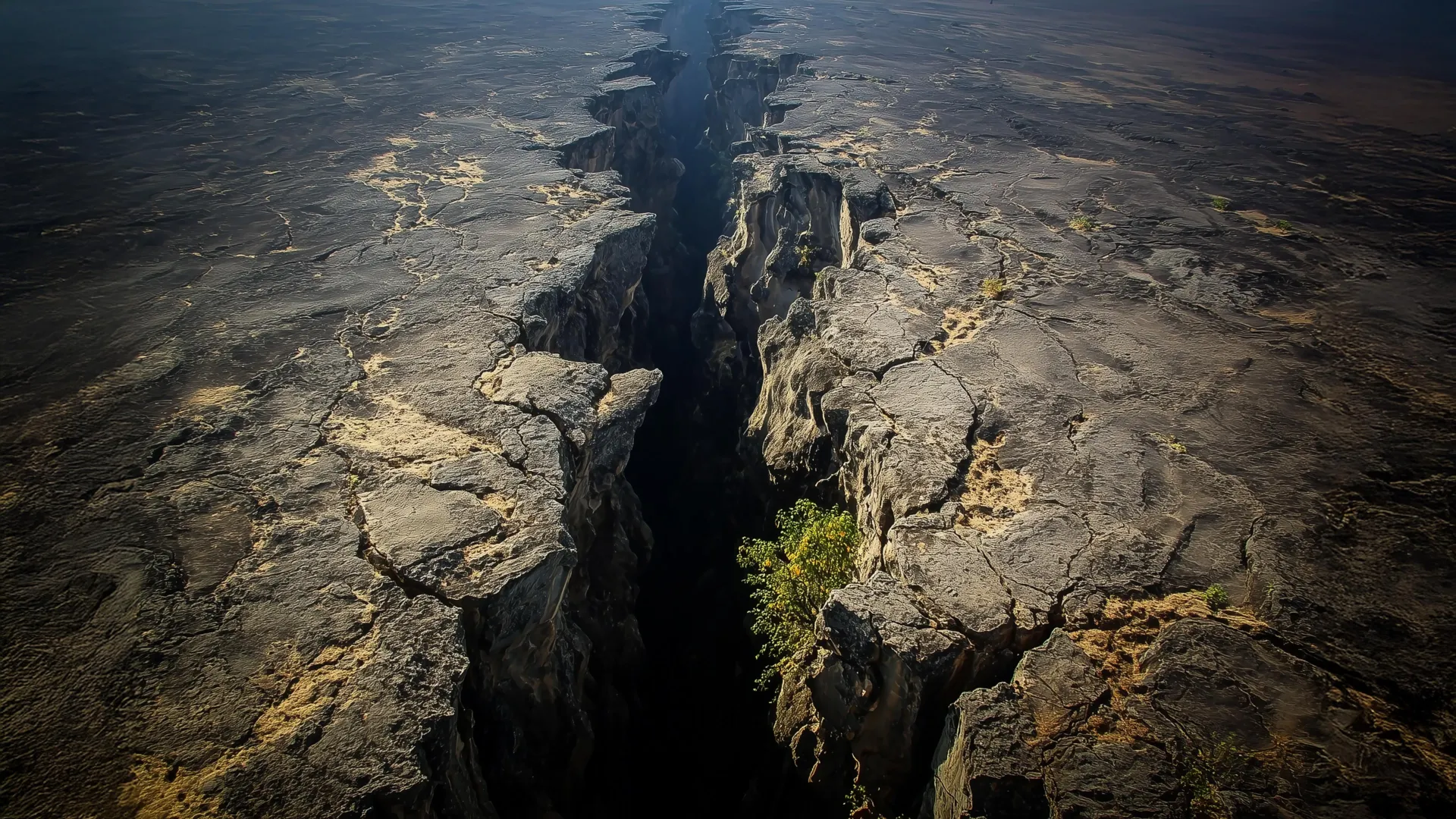
  • 1) Scientists just discovered Africa is closer to breaking apart than we thought (ScienceDaily)
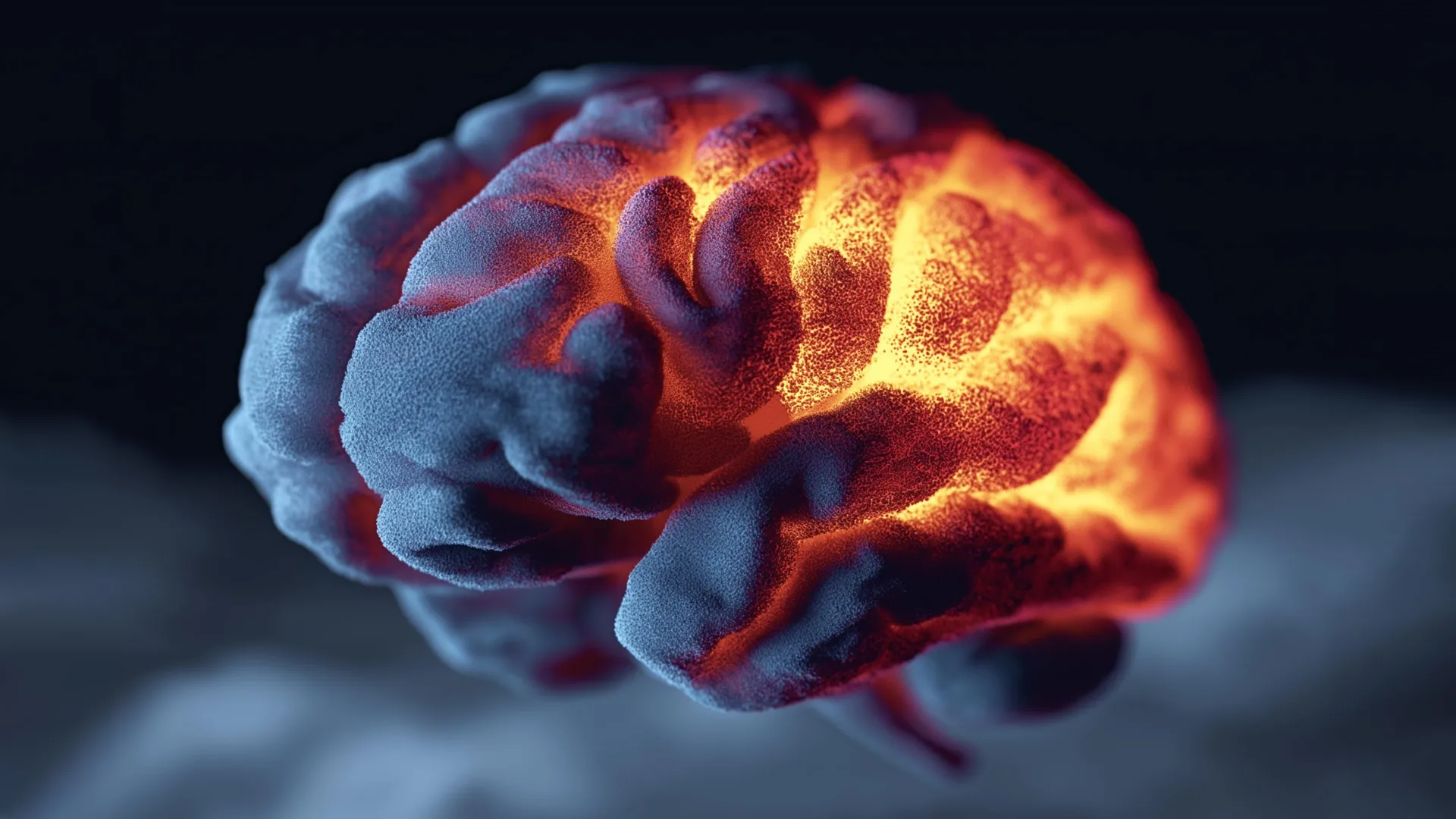
  • 2) Harvard scientists link gut bacteria to depression through hidden inflammation trigger (ScienceDaily)
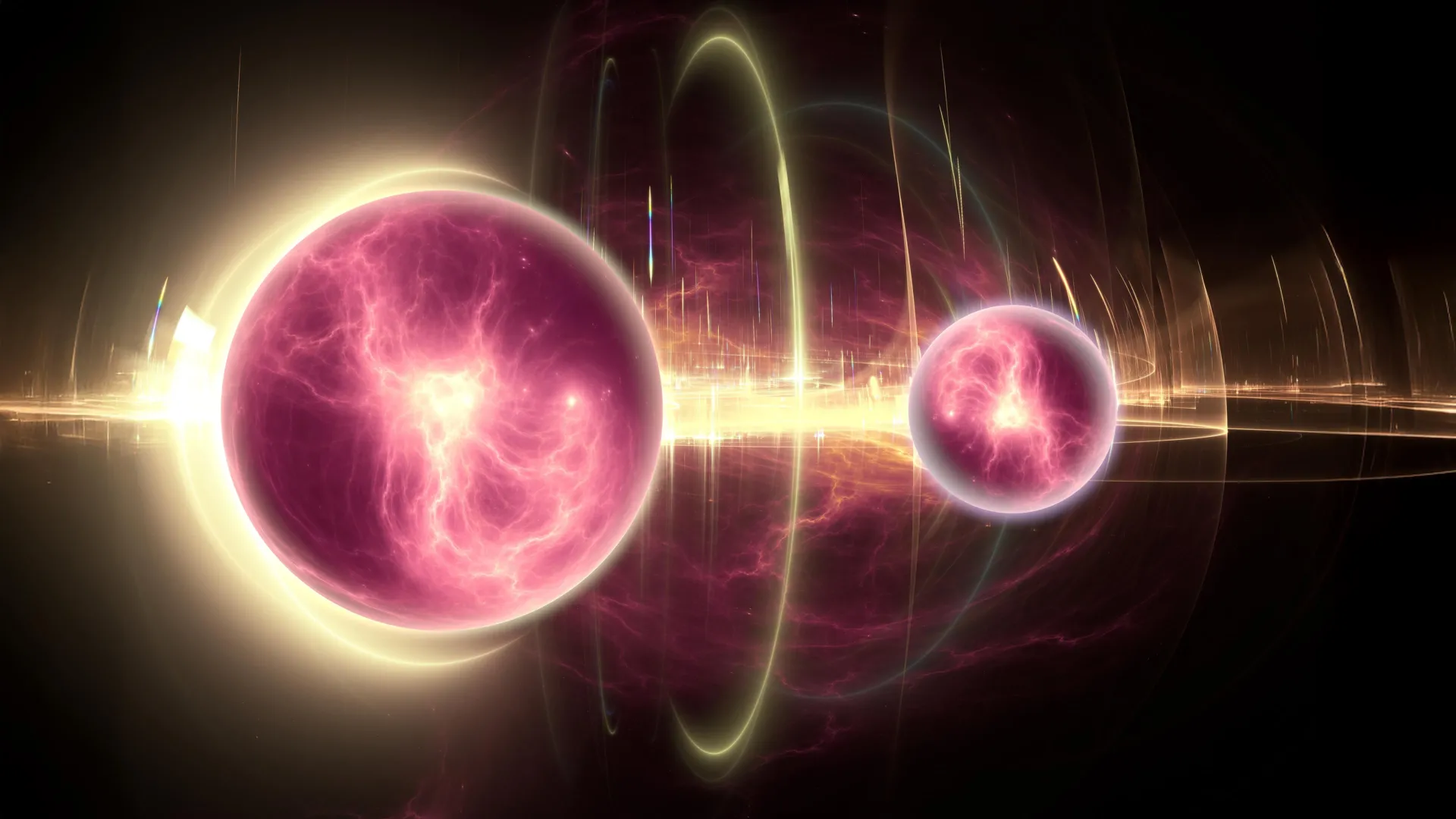
  • 3) This exotic particle could finally explain why matter has mass (ScienceDaily) Across these stories, coverage emphasized high-impact updates, policy shifts, and events with broad audience relevance.

Together they provide a representative view of the day in science news before diving into each full report.

Why it matters: This snapshot shows where science attention concentrated on 2026-04-25, highlighting the themes, entities, and geographies that dominated publisher coverage. Because ranking blends freshness, engagement, and source diversity, it helps separate signal from noise. Use it as a quick daily briefing and then open the top stories for fuller context.
Key Points

3 highlights
  1. Scientists just discovered Africa is closer to breaking apart than we thought

    Sources: #1 ScienceDaily
  2. Harvard scientists link gut bacteria to depression through hidden inflammation trigger

    Sources: #2 ScienceDaily
  3. This exotic particle could finally explain why matter has mass

    Sources: #3 ScienceDaily

Top 7 Stories

Ranked by daily score
  1. Scientists just discovered Africa is closer to breaking apart than we thought
    #1 Score 48
    Scientists just discovered Africa is closer to breaking apart than we thought

    Beneath East Africa’s Turkana Rift, scientists have found the crust is thinning to a critical point, suggesting the continent is gradually breaking apart. This “necking” process marks an advanced stage of rifting that could eventually lead to a new ocean forming millions of years from now. Surprisingly, the same geological forces that are splitting the land may also explain why the region holds such a rich fossil ...

    ScienceDaily 93 days ago
  2. Harvard scientists link gut bacteria to depression through hidden inflammation trigger
    #2 Score 46
    Harvard scientists link gut bacteria to depression through hidden inflammation trigger

    A gut bacterium may be quietly fueling depression through an unexpected chemical twist. Researchers found that when Morganella morganii interacts with a common pollutant, it produces a molecule that triggers inflammation—something strongly linked to depression. This finding helps explain how gut microbes can influence brain health at a molecular level. It also raises the possibility of new treatments that target t...

    ScienceDaily 93 days ago
  3. This exotic particle could finally explain why matter has mass
    #3 Score 43
    This exotic particle could finally explain why matter has mass

    A major physics experiment has uncovered evidence for a strange new form of matter, where a fleeting particle gets trapped inside a nucleus. This exotic state may reveal how mass is generated, suggesting that particles can weigh less when surrounded by dense nuclear matter. The findings support long-standing theories about how the vacuum of space influences mass.

    ScienceDaily 93 days ago
  4. Gravitational waves may have created dark matter in the early universe
    #4 Score 42
    Gravitational waves may have created dark matter in the early universe

    In the chaotic first moments after the Big Bang, ripples in spacetime may have done more than just echo through the cosmos—they could have helped create dark matter itself. New research suggests that faint, ancient gravitational waves might have transformed into particles that eventually became the invisible substance shaping galaxies today.

    ScienceDaily 93 days ago
  5. Giant octopuses may have ruled the oceans 100 million years ago
    #5 Score 38
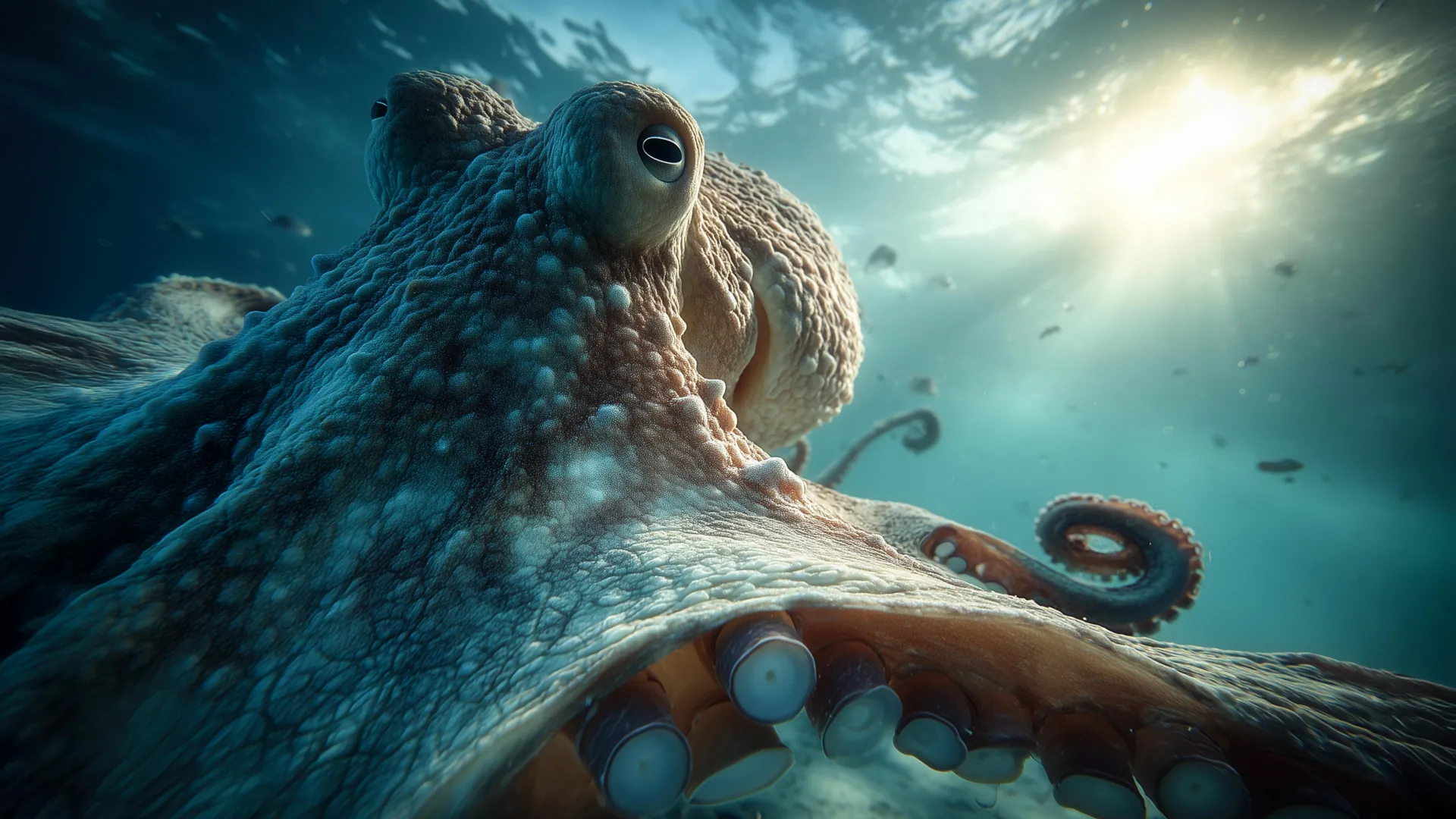
    Giant octopuses may have ruled the oceans 100 million years ago

    Giant, fearsome octopuses may have once ruled the ancient seas, according to new research that flips the script on their evolutionary past. By uncovering exquisitely preserved fossil jaws hidden inside rock, scientists revealed that early octopuses from the age of dinosaurs weren’t shy, soft-bodied drifters—they were massive apex predators, possibly stretching up to 20 meters long and crushing prey with powerful b...

    ScienceDaily 93 days ago
  6. Giant prehistoric insects didn’t need high oxygen after all, study finds
    #6 Score 14
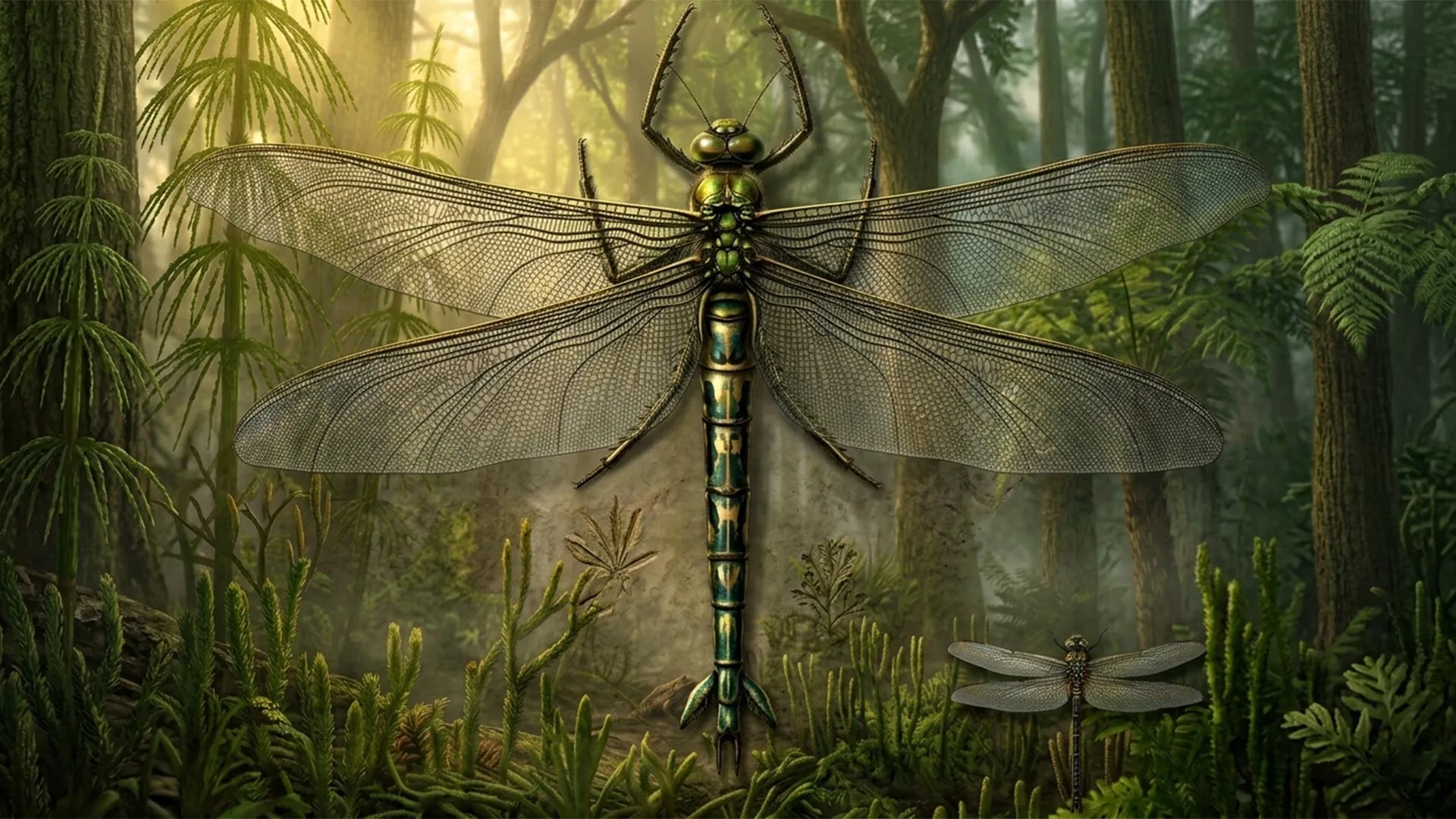
    Giant prehistoric insects didn’t need high oxygen after all, study finds

    Ancient Earth once buzzed with enormous dragonfly-like insects, and scientists long thought high oxygen levels made their size possible. A new study overturns that idea, revealing insect flight muscles weren’t constrained by oxygen after all. Their breathing system has plenty of room to expand, meaning oxygen alone can’t explain their giant forms. Now, researchers are searching for new answers—like predators or ph...

    ScienceDaily 93 days ago
  7. Scientists just found what keeps plant cells from growing out of control
    #7 Score 13
    Scientists just found what keeps plant cells from growing out of control

    Before seedlings can photosynthesize, they depend on fatty acids—and on peroxisomes to process them. Researchers discovered that the protein PEX11 not only helps these structures divide but also controls their size during early growth. When key genes were altered, peroxisomes grew abnormally large, suggesting internal vesicles normally keep them in balance. Remarkably, a yeast version of the protein fixed the prob...

    ScienceDaily 93 days ago

Comments (0)

Join the conversation. Comments are rate-limited, secured, and GDPR-compliant.

No comments yet. Be the first to share your thoughts!

Write a comment

0 / 500