


Snapshot generated May 10, 2026, 12:20 AM
Snapshot gallery image 1Snapshot gallery image 2Snapshot gallery image 3Snapshot gallery image 4

Science headlines for Saturday, May 9, 2026

Summary of this day news

Science headlines for 2026-05-09 focused on 3 major developments:

  • 1) Greenpeace Suffers Another Blow in Court Fight With Energy Transfer (NYT Science)
  • 2) Physicists discover quantum particles that break the rules of reality (ScienceDaily)
  • 3) New chemical kills 95% of termites without harming humans (ScienceDaily) Across these stories, coverage emphasized high-impact updates, policy shifts, and events with broad audience relevance.

Together they provide a representative view of the day in science news before diving into each full report.

Why it matters: This snapshot shows where science attention concentrated on 2026-05-09, highlighting the themes, entities, and geographies that dominated publisher coverage. Because ranking blends freshness, engagement, and source diversity, it helps separate signal from noise. Use it as a quick daily briefing and then open the top stories for fuller context.
Key Points

3 highlights
  1. Greenpeace Suffers Another Blow in Court Fight With Energy Transfer

    Sources: #1 NYT Science
  2. Physicists discover quantum particles that break the rules of reality

    Sources: #2 ScienceDaily
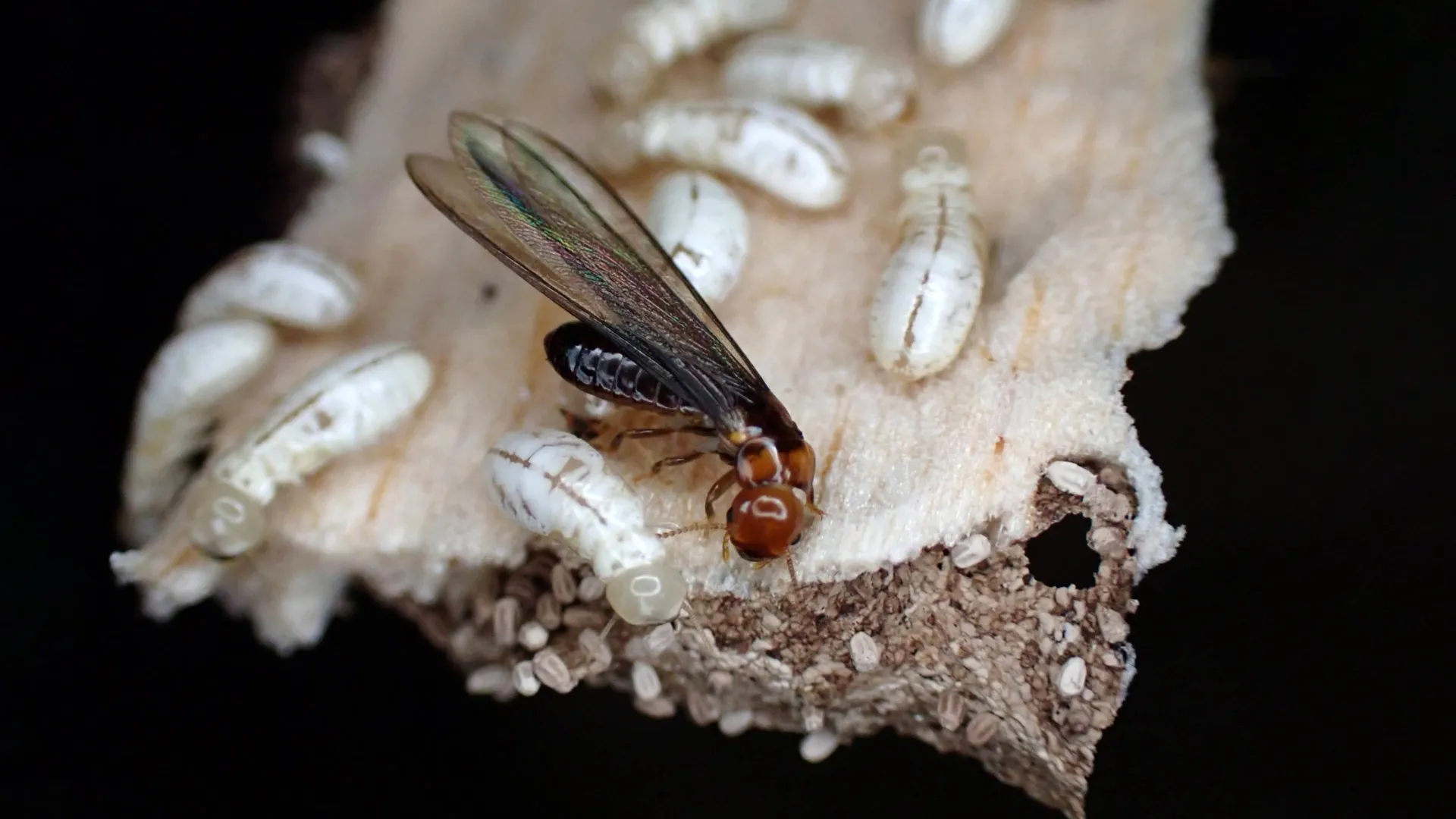
  3. New chemical kills 95% of termites without harming humans

    Sources: #3 ScienceDaily

Top 6 Stories

Ranked by daily score
  1. Greenpeace Suffers Another Blow in Court Fight With Energy Transfer
    #1 Score 46
    Greenpeace Suffers Another Blow in Court Fight With Energy Transfer

    In an unusual move, a North Dakota court said Greenpeace International shouldn’t be allowed to pursue a lawsuit in Europe, where it is based, against the company.

    NYT Science 79 days ago
  2. Physicists discover quantum particles that break the rules of reality
    #2 Score 38
    Physicists discover quantum particles that break the rules of reality

    Physicists may have just cracked open a hidden side of the quantum world. For decades, every known particle was thought to belong to one of two categories — bosons or fermions — but researchers have now shown that bizarre “in-between” particles called anyons could also exist in a one-dimensional system. Even more exciting, these strange particles may be adjustable, allowing scientists to tune their behavior in way...

    ScienceDaily 79 days ago
  3. New chemical kills 95% of termites without harming humans
    #3 Score 36
    New chemical kills 95% of termites without harming humans

    Scientists may have found a smarter, safer way to wipe out termites hiding inside homes. A chemical called bistrifluron prevents drywood termites from forming new exoskeletons during molting, killing entire colonies from within. In tests, it eliminated about 95% of termites while avoiding the toxic side effects of traditional fumigation. Researchers say the method could provide longer-lasting protection as termite...

    ScienceDaily 79 days ago
  4. Deep diving fur seals experience delayed heart surges after returning to land
    #4 Score 34
    Deep diving fur seals experience delayed heart surges after returning to land

    Fur seals may look like they’re simply resting after exhausting hunting trips at sea, but their bodies are secretly working overtime. Scientists discovered that hours after returning to land, the seals’ heart rates suddenly surge — sometimes doubling — as they recover from the intense physical stress of deep diving. The findings suggest that seals postpone much of their recovery until they’re safely ashore, likely...

    ScienceDaily 79 days ago
  5. Ice age humans in China crafted surprisingly advanced stone tools 146,000 years ago
    #5 Score 31
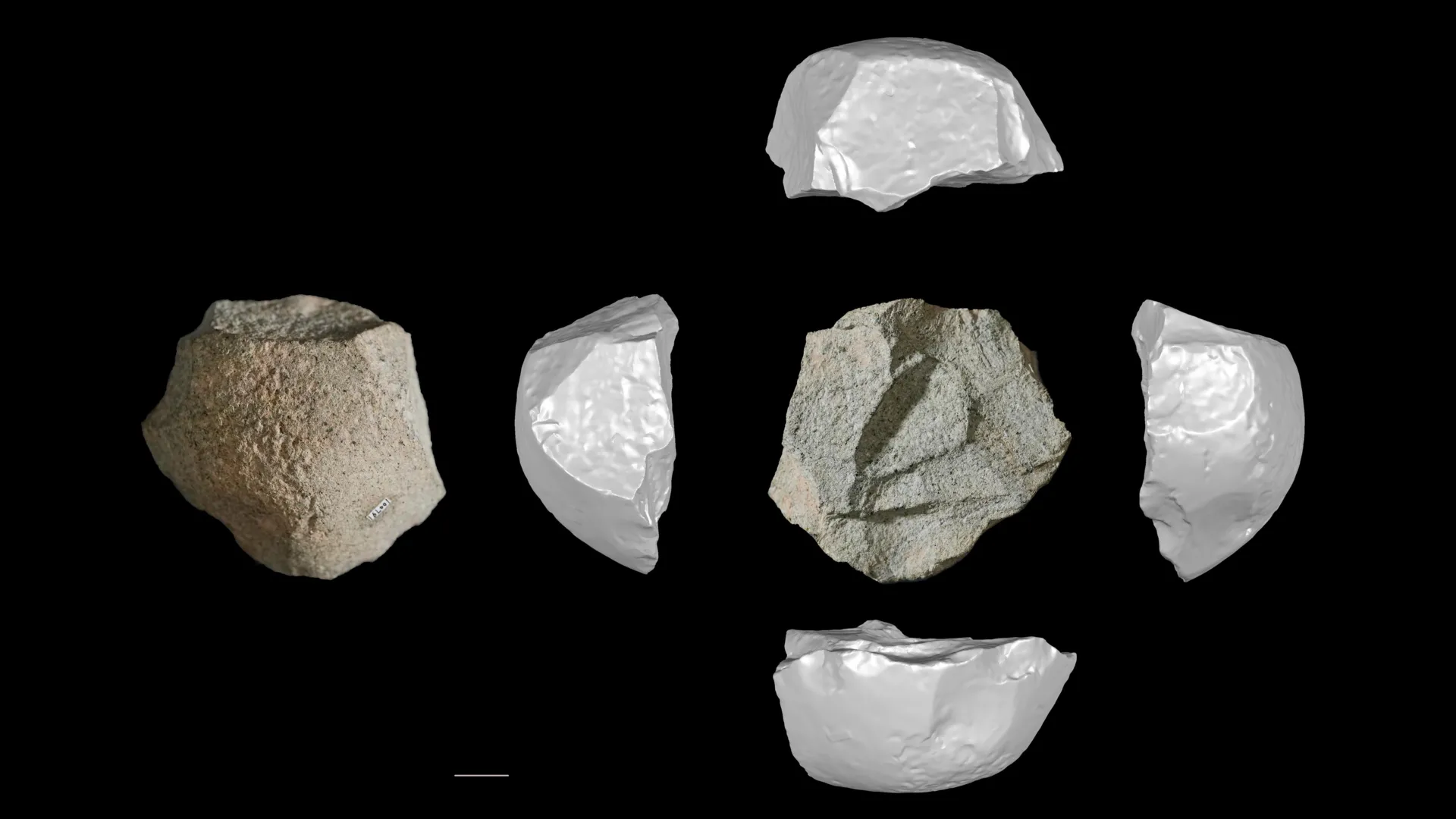
    Ice age humans in China crafted surprisingly advanced stone tools 146,000 years ago

    Scientists in China discovered that ancient humans were making surprisingly advanced stone tools during a harsh ice age 146,000 years ago. The tools, created by Homo juluensis, show careful planning and complex thinking rather than simple stone-chipping. Researchers dated the site using tiny calcite crystals inside animal bones, revealing the tools are much older than expected. The discovery challenges the idea th...

    ScienceDaily 79 days ago
  6. Scientists found the “holy grail” gene that could one day help humans regrow limbs
    #6 Score 15
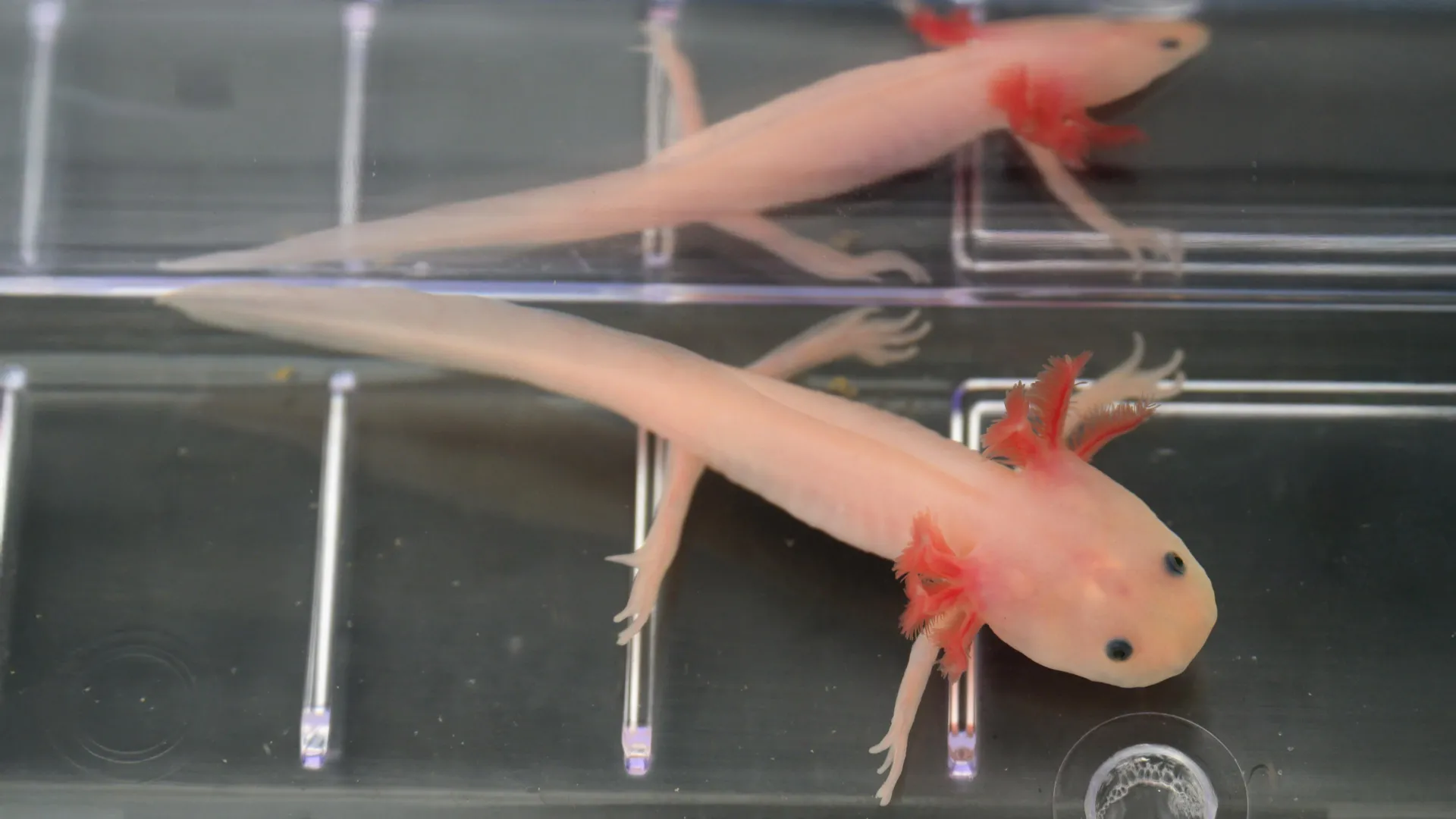
    Scientists found the “holy grail” gene that could one day help humans regrow limbs

    Scientists studying axolotls, zebrafish, and mice have uncovered a shared set of genes that may one day help humans regrow lost limbs. By identifying powerful “SP genes” involved in regeneration, researchers discovered that disabling these genes stopped proper bone regrowth in salamanders and mice. They then used a gene therapy inspired by zebrafish biology to partially restore regeneration in mice, marking a majo...

    ScienceDaily 79 days ago

Comments (0)

Join the conversation. Comments are rate-limited, secured, and GDPR-compliant.

No comments yet. Be the first to share your thoughts!

Write a comment

0 / 500