

Snapshot generated Jul 27, 2026, 12:20 AM
Snapshot gallery image 1Snapshot gallery image 2Snapshot gallery image 3Snapshot gallery image 4

Science headlines for Sunday, July 26, 2026

Summary of this day news

Science headlines for 2026-07-26 focused on 3 major developments:

  • 1) Guy Tudor, Whose Art Brought Obscure Birds to Life, Dies at 91 (NYT Science)
  • 2) The best way to save giant sequoias may be more fire (ScienceDaily)
  • 3) NASA Astronaut Chris Williams, Crewmates Return from Space Station (NASA Breaking News) Across these stories, coverage emphasized high-impact updates, policy shifts, and events with broad audience relevance.

Together they provide a representative view of the day in science news before diving into each full report.

Why it matters: This snapshot shows where science attention concentrated on 2026-07-26, highlighting the themes, entities, and geographies that dominated publisher coverage. Because ranking blends freshness, engagement, and source diversity, it helps separate signal from noise. Use it as a quick daily briefing and then open the top stories for fuller context.
Key Points

3 highlights
  1. Guy Tudor, Whose Art Brought Obscure Birds to Life, Dies at 91

    Sources: #1 NYT Science
  2. The best way to save giant sequoias may be more fire

    Sources: #2 ScienceDaily
  3. NASA Astronaut Chris Williams, Crewmates Return from Space Station

    Sources: #3 NASA Breaking News

Top 6 Stories

Ranked by daily score
  1. #1 Score 42
    Guy Tudor, Whose Art Brought Obscure Birds to Life, Dies at 91

    A self-taught ornithologist, he won a MacArthur fellowship for his precise, resplendent illustrations that appeared in definitive field guides to tropical songbirds.

    NYT Science 1 day ago
  2. The best way to save giant sequoias may be more fire
    #2 Score 39
    The best way to save giant sequoias may be more fire

    Giant sequoias are built to withstand ordinary fires, but recent extreme wildfires killed thousands of trees that had survived for centuries or even millennia. A new analysis of about 26,400 sequoias found that trees in areas treated with prescribed burns were nearly four times more likely to survive. Researchers estimate the controlled fires prevented about 1,900 deaths and could have saved thousands more if used...

    ScienceDaily 1 day ago
  3. NASA Astronaut Chris Williams, Crewmates Return from Space Station
    #3 Score 32
    NASA Astronaut Chris Williams, Crewmates Return from Space Station

    Concluding an eight-month science mission aboard the International Space Station, NASA astronaut Chris Williams returned to Earth on Sunday alongside Roscosmos cosmonauts Sergey Kud-Sverchkov and Sergei Mikaev. The crew made its safe, parachute-assisted landing at 5:27 a.m. CDT (3:27 p.m., Kazakhstan time), southeast of Dzhezkazgan, after departing the space station at 2:03 a.m., aboard the […]

    NASA Breaking News 1 day ago
  4. Inside the Backrooms: The internet’s creepiest place is becoming a tourist attraction
    #4 Score 24
    Inside the Backrooms: The internet’s creepiest place is becoming a tourist attraction

    The Backrooms began as a single eerie image of empty yellow rooms, but internet users transformed it into a vast fictional world that feels disturbingly real. Through videos, games, maps, survival guides and social media stories, audiences do more than watch the horror unfold. They help build and explore it. Researchers suggest this popularity reflects a new kind of digital tourism, where people emotionally enter ...

    ScienceDaily 1 day ago
  5. Hidden genetic diversity helped inbred brown tree snakes conquer guam
    #5 Score 21
    Hidden genetic diversity helped inbred brown tree snakes conquer guam

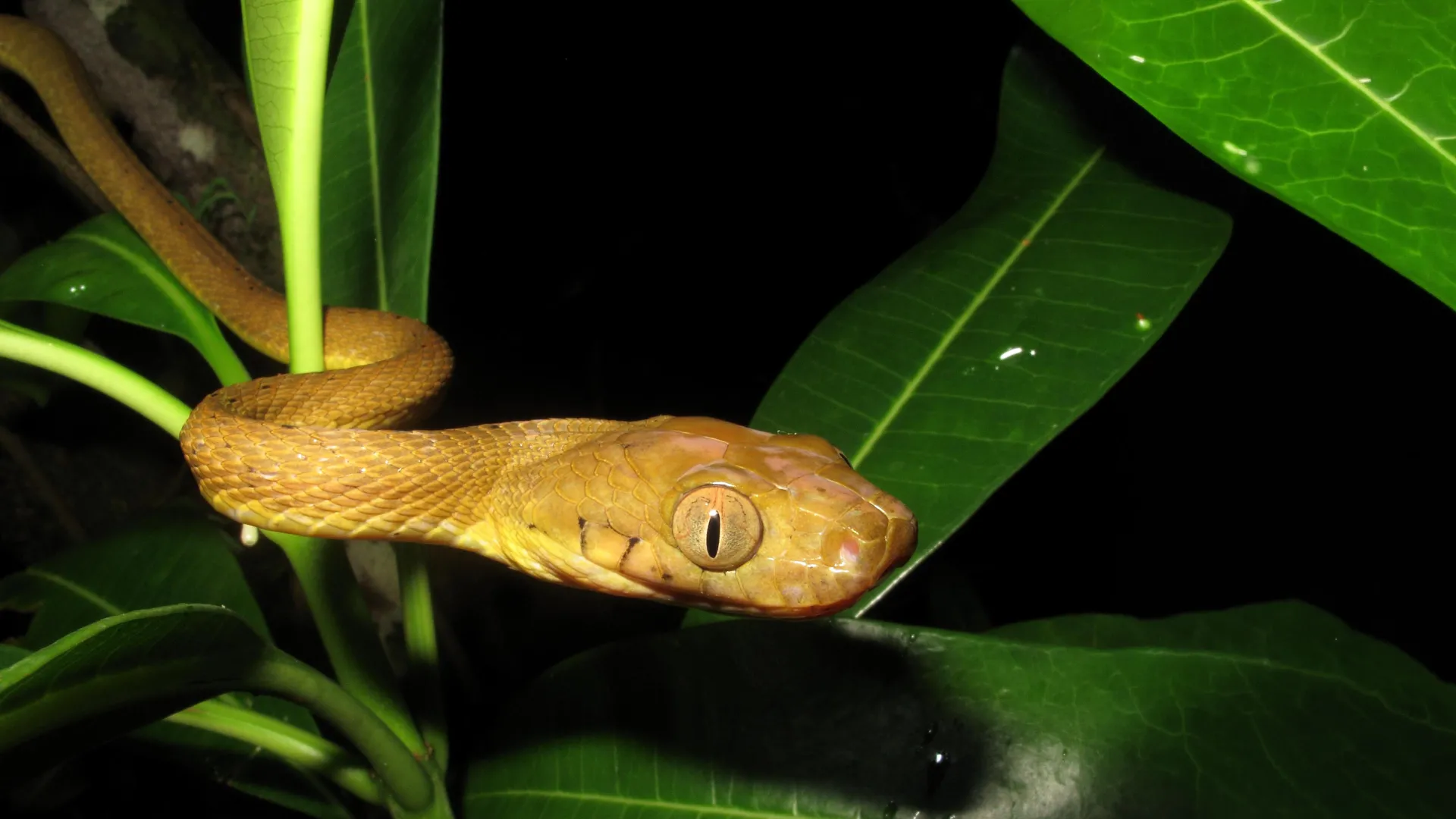
    A notorious snake invasion that devastated Guam’s native birds may have succeeded because the reptiles carried hidden genetic advantages. Using advanced long-read DNA sequencing, researchers uncovered more than 19,000 large genetic differences in brown tree snakes, many concentrated in genes tied to immunity and smell. This overlooked diversity may have helped a population founded by only a few snakes survive inbr...

    ScienceDaily 1 day ago
  6. Scientists trace the shocking origin of human eyes to an ancient “cyclops”
    #6 Score 15
    Scientists trace the shocking origin of human eyes to an ancient “cyclops”

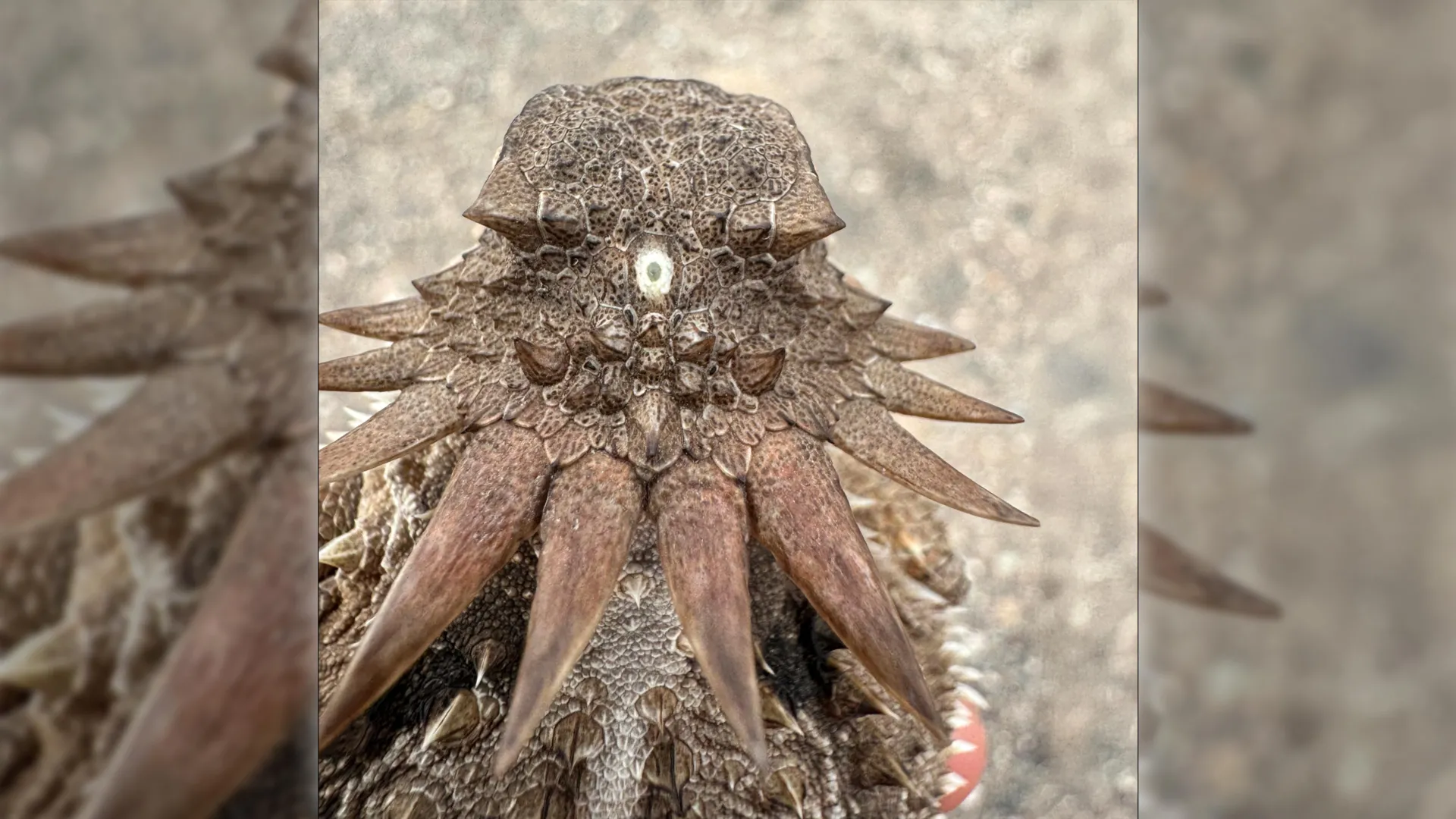
    Researchers say a tiny one-eyed ancestor that lived nearly 600 million years ago may have shaped the evolution of every vertebrate eye, including our own. They also found that its ancient median eye lives on today as the pineal gland, which helps synchronize our sleep with daylight.

    ScienceDaily 1 day ago

Comments (0)

Join the conversation. Comments are rate-limited, secured, and GDPR-compliant.

No comments yet. Be the first to share your thoughts!

Write a comment

0 / 500