Snapshot generated Apr 5, 2026, 12:20 AM
Snapshot gallery image 1Snapshot gallery image 2Snapshot gallery image 3Snapshot gallery image 4

Science headlines for Saturday, April 4, 2026

Summary of this day news

Science headlines for 2026-04-04 focused on 3 major developments:

Closer to the Moon Than Earth. (NYT Science)

  • 1) Where Are NASA’s Artemis II Astronauts Now?
  • 1) NASA Answers Your Most Pressing Artemis II Questions (NASA Breaking News)
  • 2) How likely is it that Artemis II will collide with debris in space? (NYT Science) Across these stories, coverage emphasized high-impact updates, policy shifts, and events with broad audience relevance.

Together they provide a representative view of the day in science news before diving into each full report.

Why it matters: This snapshot shows where science attention concentrated on 2026-04-04, highlighting the themes, entities, and geographies that dominated publisher coverage. Because ranking blends freshness, engagement, and source diversity, it helps separate signal from noise. Use it as a quick daily briefing and then open the top stories for fuller context.


Key Points

3 highlights
  1. Where Are NASA’s Artemis II Astronauts Now? Closer to the Moon Than Earth.

    Sources: #1 NYT Science
  2. NASA Answers Your Most Pressing Artemis II Questions

    Sources: #2 NASA Breaking News
  3. How likely is it that Artemis II will collide with debris in space?

    Sources: #3 NYT Science

Top 10 Stories

Ranked by daily score
  1. Where Are NASA’s Artemis II Astronauts Now? Closer to the Moon Than Earth.
    #1 Score 75
    Where Are NASA’s Artemis II Astronauts Now? Closer to the Moon Than Earth.

    The astronauts said they had lost track of which day it is on Earth on their transit to the moon.

    NYT Science 113 days ago
  2. NASA Answers Your Most Pressing Artemis II Questions
    #2 Score 68
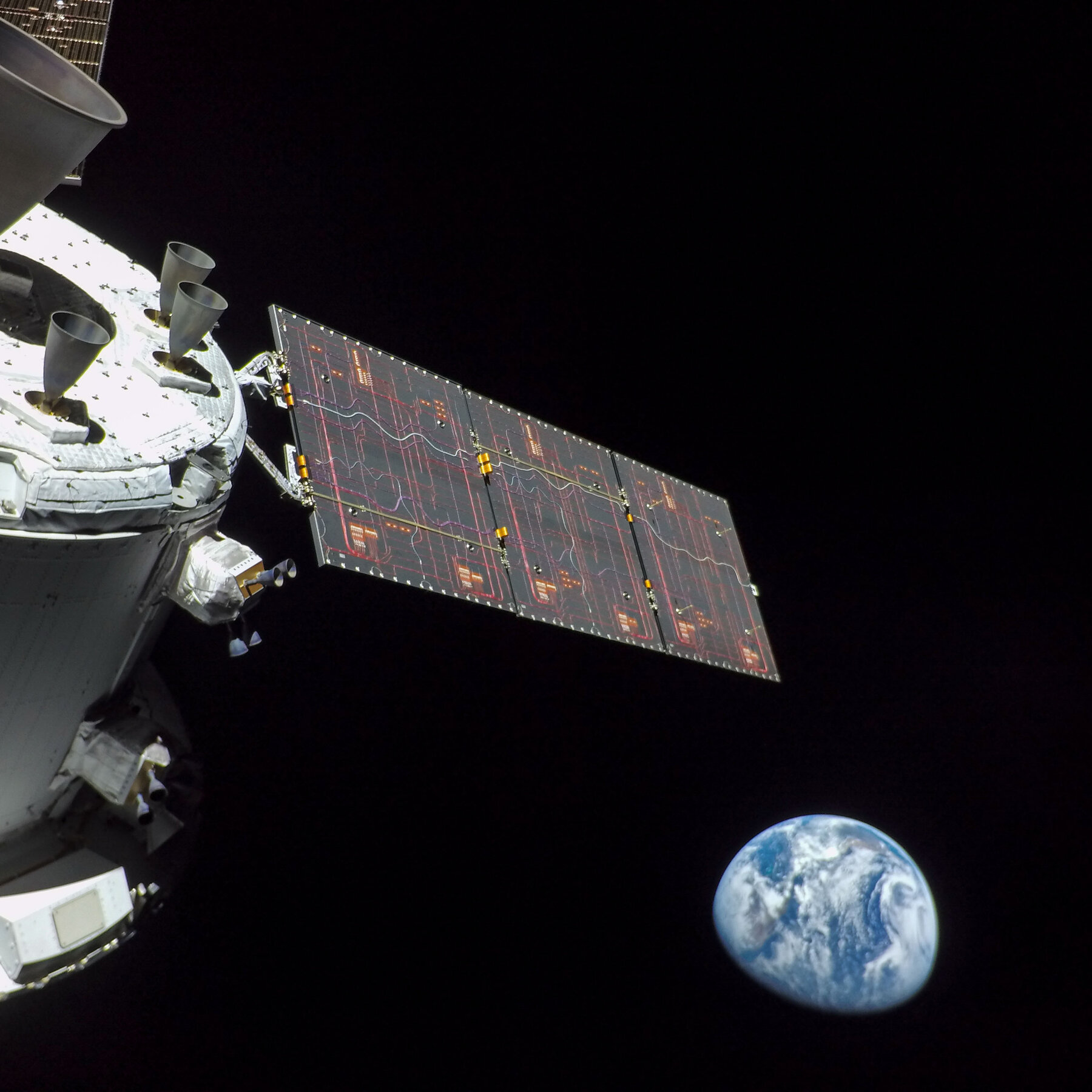
    NASA Answers Your Most Pressing Artemis II Questions

    The first crewed test flight under NASA’s Artemis program is underway. Four Artemis II astronauts are flying aboard NASA’s Orion spacecraft around the Moon and back, as they test how the spacecraft’s systems operate in a deep space environment. NASA astronauts Reid Wiseman, Victor Glover, and Christina Koch, and CSA (Canadian Space Agency) astronaut Jeremy […]

    NASA Breaking News 113 days ago
  3. How likely is it that Artemis II will collide with debris in space?
    #3 Score 66
    How likely is it that Artemis II will collide with debris in space?

    Open source article for the full coverage.

    NYT Science 113 days ago
  4. Houston Cheers on Artemis II Moon Mission, Reclaiming Its Place as ‘Space City’
    #4 Score 47
    Houston Cheers on Artemis II Moon Mission, Reclaiming Its Place as ‘Space City’

    The Artemis II mission elicited deep feelings for many Americans, particularly in Houston, the home of mission control.

    NYT Science 114 days ago
  5. Illuminated in Orion
    #5 Score 47
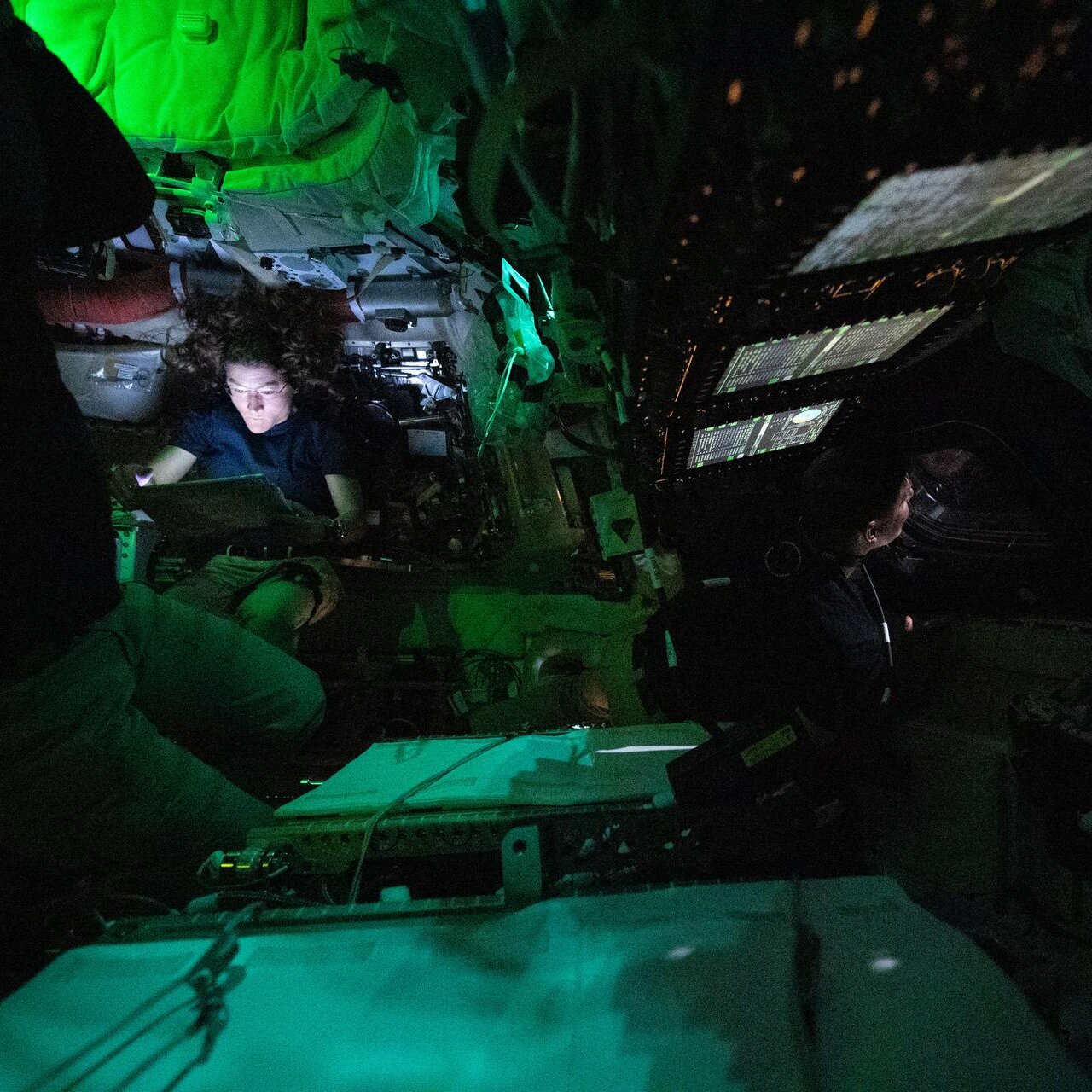
    Illuminated in Orion

    NASA astronaut Christina Koch reads on a tablet in the dimly lit Orion crew capsule in this April 3, 2026, photo. To the right of the image’s center, CSA (Canadian Space Agency) astronaut Jeremy Hansen is seen in profile peering out of one of Orion’s windows. Lights are turned off to avoid glare on the […]

    NASA Breaking News 114 days ago
  6. These overlooked brain cells may control fear and PTSD
    #6 Score 45
    These overlooked brain cells may control fear and PTSD

    Astrocytes, once thought to be mere brain “support cells,” are now revealed to be key players in fear memory. Researchers found they actively help form, recall, and weaken fear responses by interacting with neurons in real time. Changing astrocyte activity directly altered how strong fear memories became. This breakthrough could lead to entirely new treatments for anxiety-related disorders.

    ScienceDaily 114 days ago
  7. Artemis II Astronauts Fly Away From Earth Toward the Moon
    #7 Score 35
    Artemis II Astronauts Fly Away From Earth Toward the Moon

    After a day of testing the Orion capsule high above the planet, the crew of the NASA mission became the first people to head into deep space since 1972.

    NYT Science 114 days ago
  8. Dying stars are devouring giant planets, astronomers discover
    #8 Score 28
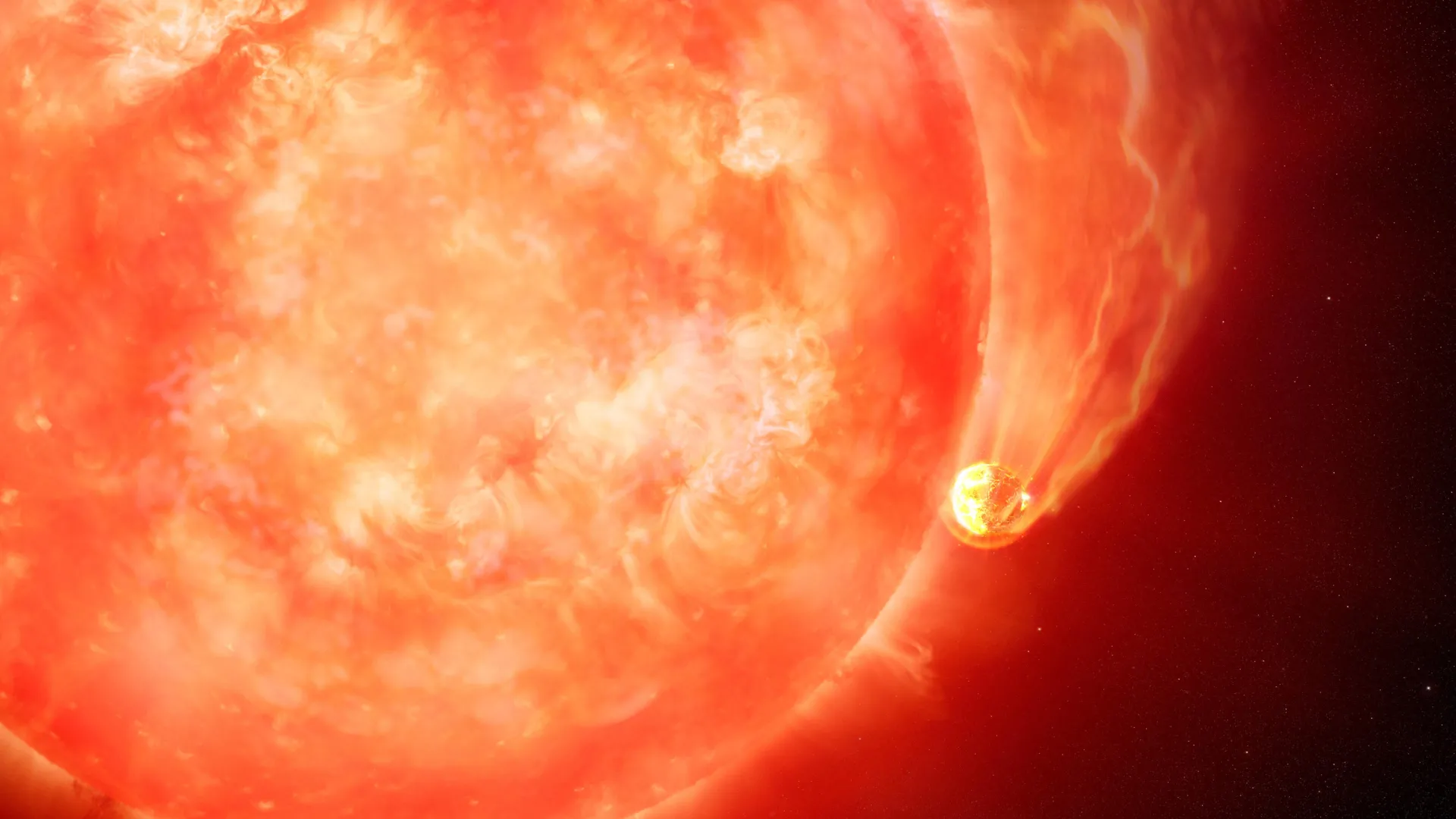
    Dying stars are devouring giant planets, astronomers discover

    Dying stars may be wiping out nearby giant planets as they expand into red giants. Astronomers found that these close-in planets become increasingly rare around more evolved stars, suggesting many have already been swallowed. The likely cause is a gravitational tug that drags planets inward until they break apart or fall into the star. It’s a dramatic glimpse into the chaotic final stages of planetary systems.

    ScienceDaily 114 days ago
  9. Students found a star from the dawn of the universe drifting into the Milky Way
    #9 Score 20
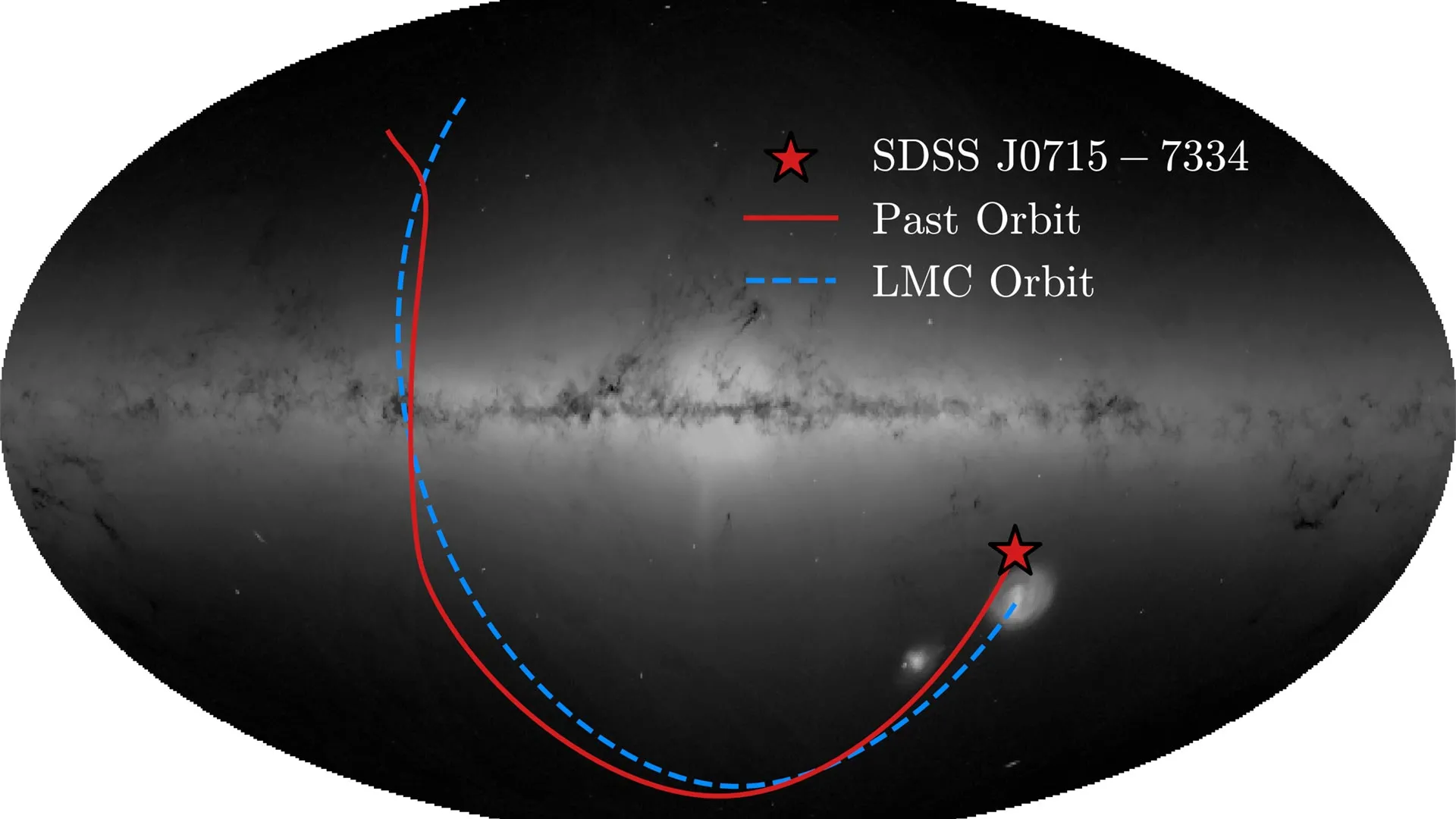
    Students found a star from the dawn of the universe drifting into the Milky Way

    A group of undergraduate students stumbled into a cosmic time capsule—one of the oldest stars ever discovered—while combing through massive astronomy datasets. What began as a class project quickly turned into a breakthrough when they spotted an extraordinarily “pristine” star made almost entirely of hydrogen and helium, hinting it formed near the dawn of the universe.

    ScienceDaily 114 days ago
  10. For Many Patients Leaving the I.C.U., the Struggle Has Only Just Begun
    #10 Score 19
    For Many Patients Leaving the I.C.U., the Struggle Has Only Just Begun

    A long stay in intensive care can bring physical, cognitive and mental health challenges that can take months or longer to resolve.

    NYT Science 114 days ago

Comments (0)

Join the conversation. Comments are rate-limited, secured, and GDPR-compliant.

No comments yet. Be the first to share your thoughts!

Write a comment

0 / 500