
Snapshot generated Apr 6, 2026, 12:20 AM
Snapshot gallery image 1Snapshot gallery image 2Snapshot gallery image 3Snapshot gallery image 4

Science headlines for Sunday, April 5, 2026

Summary of this day news

Science headlines for 2026-04-05 focused on 3 major developments:

  • 1) Thinking of You, Earth (NASA Breaking News)
  • 2) Scientists found a protein that drives brain aging — and how to stop it (ScienceDaily)
  • 3) Mars dust storms are sparking electricity and rewriting the planet’s chemistry (ScienceDaily) Across these stories, coverage emphasized high-impact updates, policy shifts, and events with broad audience relevance.

Together they provide a representative view of the day in science news before diving into each full report.

Why it matters: This snapshot shows where science attention concentrated on 2026-04-05, highlighting the themes, entities, and geographies that dominated publisher coverage. Because ranking blends freshness, engagement, and source diversity, it helps separate signal from noise. Use it as a quick daily briefing and then open the top stories for fuller context.
Key Points

3 highlights
  1. Thinking of You, Earth

    Sources: #1 NASA Breaking News
  2. Scientists found a protein that drives brain aging — and how to stop it

    Sources: #2 ScienceDaily
  3. Mars dust storms are sparking electricity and rewriting the planet’s chemistry

    Sources: #3 ScienceDaily

Top 6 Stories

Ranked by daily score
  1. Thinking of You, Earth
    #1 Score 41
    Thinking of You, Earth

    On April 4, 2026, NASA astronaut and Artemis II Commander Reid Wiseman peers out of one of the Orion spacecraft’s main cabin windows, looking back at Earth, as the crew travels towards the Moon. The Artemis II astronauts – Wiseman and fellow NASA astronauts Christina Koch and Victor Glover, and CSA (Canadian Space Agency) astronaut […]

    NASA Breaking News 113 days ago
  2. Scientists found a protein that drives brain aging — and how to stop it
    #2 Score 33
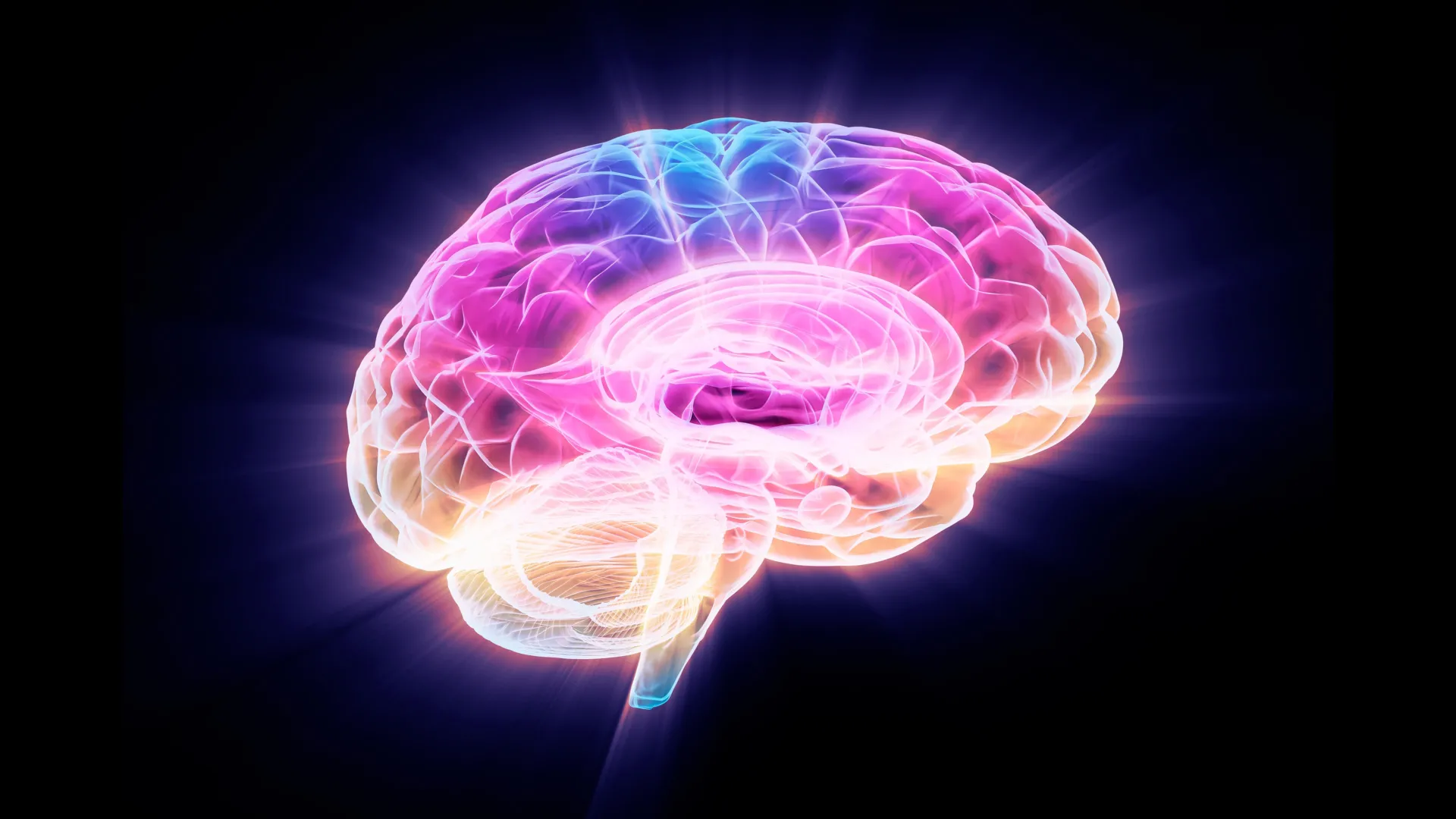
    Scientists found a protein that drives brain aging — and how to stop it

    Scientists have uncovered a powerful new clue in the mystery of brain aging: a single protein called FTL1. In aging mice, higher levels of this protein weakened connections between brain cells and led to memory decline. But when researchers reduced FTL1, something remarkable happened — the brain began to recover, rebuilding lost connections and restoring memory performance.

    ScienceDaily 113 days ago
  3. Mars dust storms are sparking electricity and rewriting the planet’s chemistry
    #3 Score 20
    Mars dust storms are sparking electricity and rewriting the planet’s chemistry

    Mars may look like a quiet, dusty world, but it’s actually buzzing with hidden electrical activity. Powerful dust storms and swirling dust devils generate static electricity strong enough to spark faint glowing discharges across the planet, triggering chemical reactions that reshape its surface and atmosphere. Scientists have now shown that these tiny lightning-like events can create a surprising mix of chemicals—...

    ScienceDaily 113 days ago
  4. Buried Roman sanctuary discovered beneath Frankfurt hints at shocking rituals
    #4 Score 14
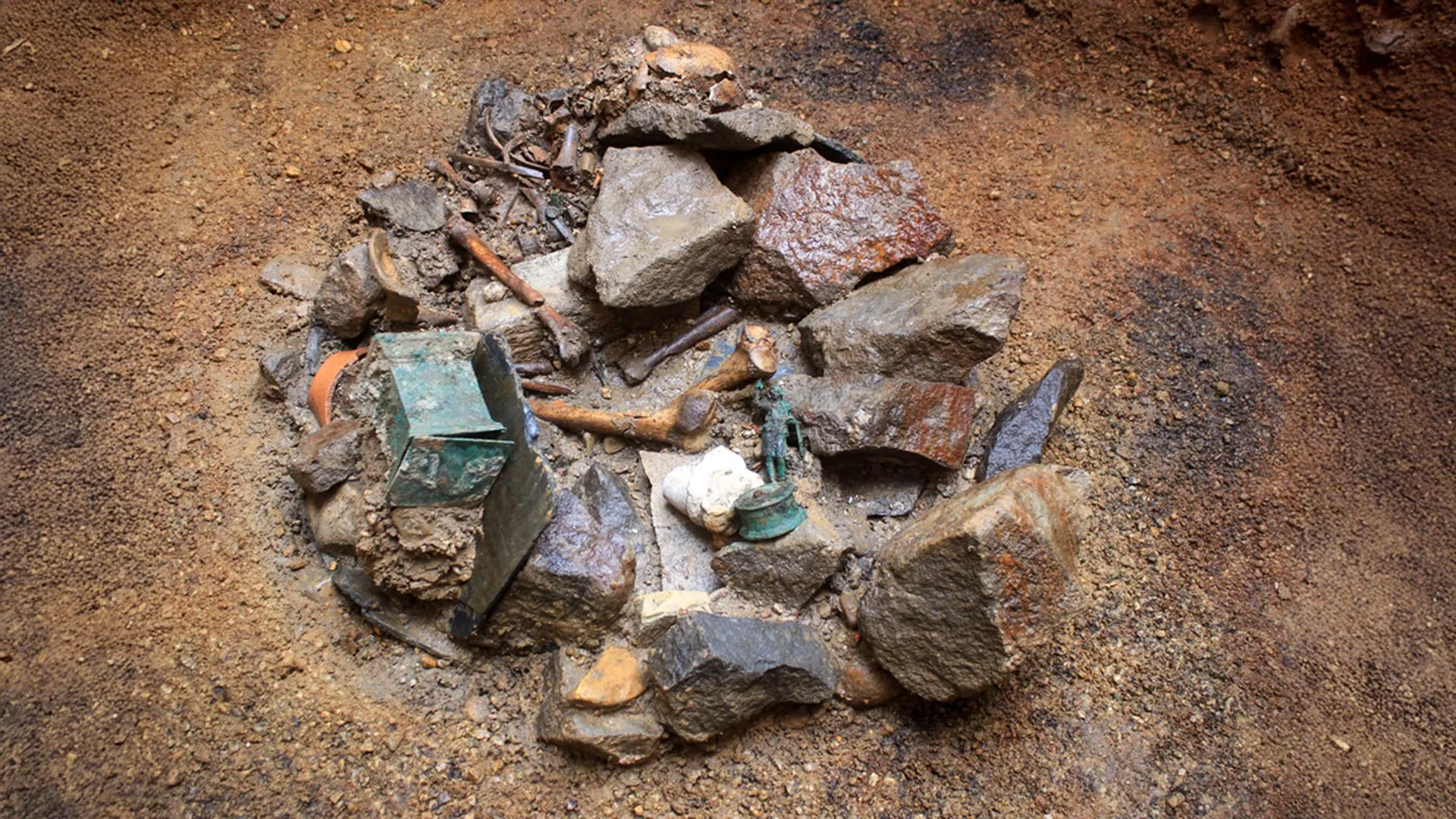
    Buried Roman sanctuary discovered beneath Frankfurt hints at shocking rituals

    A hidden Roman sanctuary discovered beneath Frankfurt is offering rare clues about ancient rituals, including possible human sacrifice. With major funding secured, scientists are now racing to uncover how this mysterious, multi-god cult site operated.

    ScienceDaily 113 days ago
  5. Scientists built a quantum battery that breaks the rules of charging
    #5 Score 9
    Scientists built a quantum battery that breaks the rules of charging

    Scientists have taken a major step toward futuristic energy tech by building a working prototype of a quantum battery—one that can charge, store, and release energy using the strange rules of quantum physics instead of chemistry. This tiny, laser-powered device hints at a future where energy storage is not only faster but actually improves as systems get larger, flipping the rules of conventional batteries.

    ScienceDaily 113 days ago
  6. Where Are NASA’s Artemis II Astronauts Now? Closer to the Moon Than Earth.
    #6 Score 6
    Where Are NASA’s Artemis II Astronauts Now? Closer to the Moon Than Earth.

    The astronauts said they had lost track of which day it is on Earth on their transit to the moon.

    NYT Science 113 days ago

Comments (0)

Join the conversation. Comments are rate-limited, secured, and GDPR-compliant.

No comments yet. Be the first to share your thoughts!

Write a comment

0 / 500